What African Businesses Get Wrong About Workspace ROI
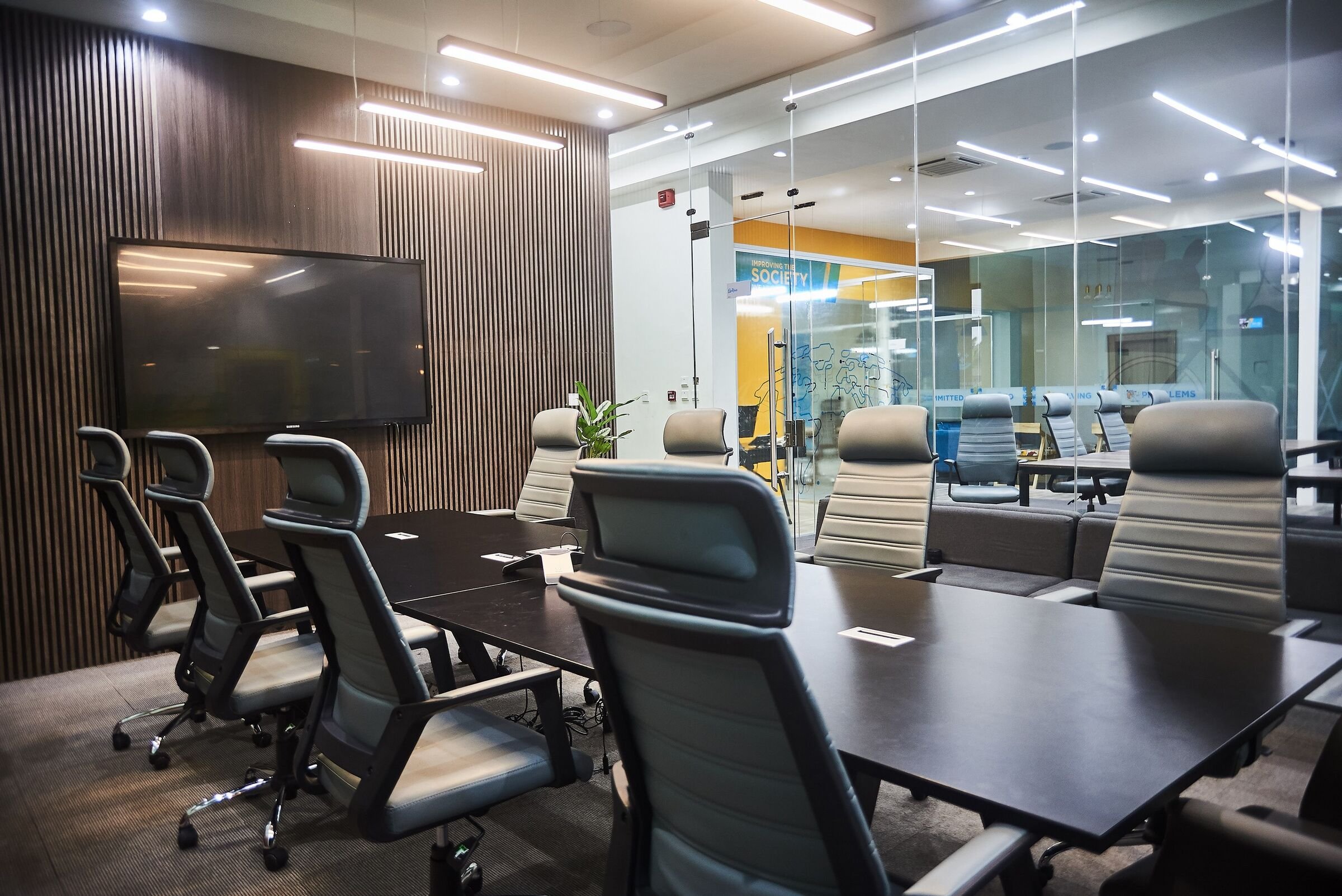
When a business decides to invest in its office, the conversation almost always ends up in the same place: cost. How much does it cost? Can we do it cheaper? Where can we save money?
This is understandable. It is not easy to pull out ₦100 million and spend it on an office. There are boards to answer to, procurement teams whose entire mandate is cost reduction, and a general scepticism, particularly in Nigeria, about whether a beautiful office is really a business investment or just an expensive indulgence.
But the businesses that approach their office investment purely through the lens of cost savings are measuring the wrong thing. And in doing so, they are leaving a significant return on the table.
The cost-saving trap
The team typically responsible for an office project is procurement or finance. These are people whose performance metrics are built around saving money for the company. It is not a criticism, it is their job. But it creates a fundamental misalignment in the conversation about workspace investment.
When the person approving the budget is measured on how much they saved, the conversation about what the office could do for the business never really happens. Every decision gets filtered through: can we do this cheaper? What can we cut? Is this necessary?
The result is offices that cost less and deliver less. Spaces that function adequately but do not move the needle on the things that actually matter to the business.
“Cost savings is a metric to measure. But it cannot be the defining metric for that expense.”
What you should actually be measuring
The ROI of a well-designed office shows up in places that are harder to put on a spreadsheet but no less real.
Staff happiness is one. It is difficult to measure precisely, but it is not impossible to observe. Are people eager to come in? Are they staying later than they need to? Are they bringing clients to the office because they are proud of it, or apologising for it as visitors walk through the door?
Talent acquisition and retention is another. In a market where the best people have choices, the office is part of the offer. A workspace that reflects the ambition and culture of the business attracts people who want to be part of that culture. A workspace that doesn’t sends a signal, whether you intend it to or not.
Brand perception is a third. One of Micdee’s early clients, a sales lead at Softcom told our CEO something he has carried ever since: “When I bring a client to the office, the office does half of the work.” The space was closing deals before a word was spoken.
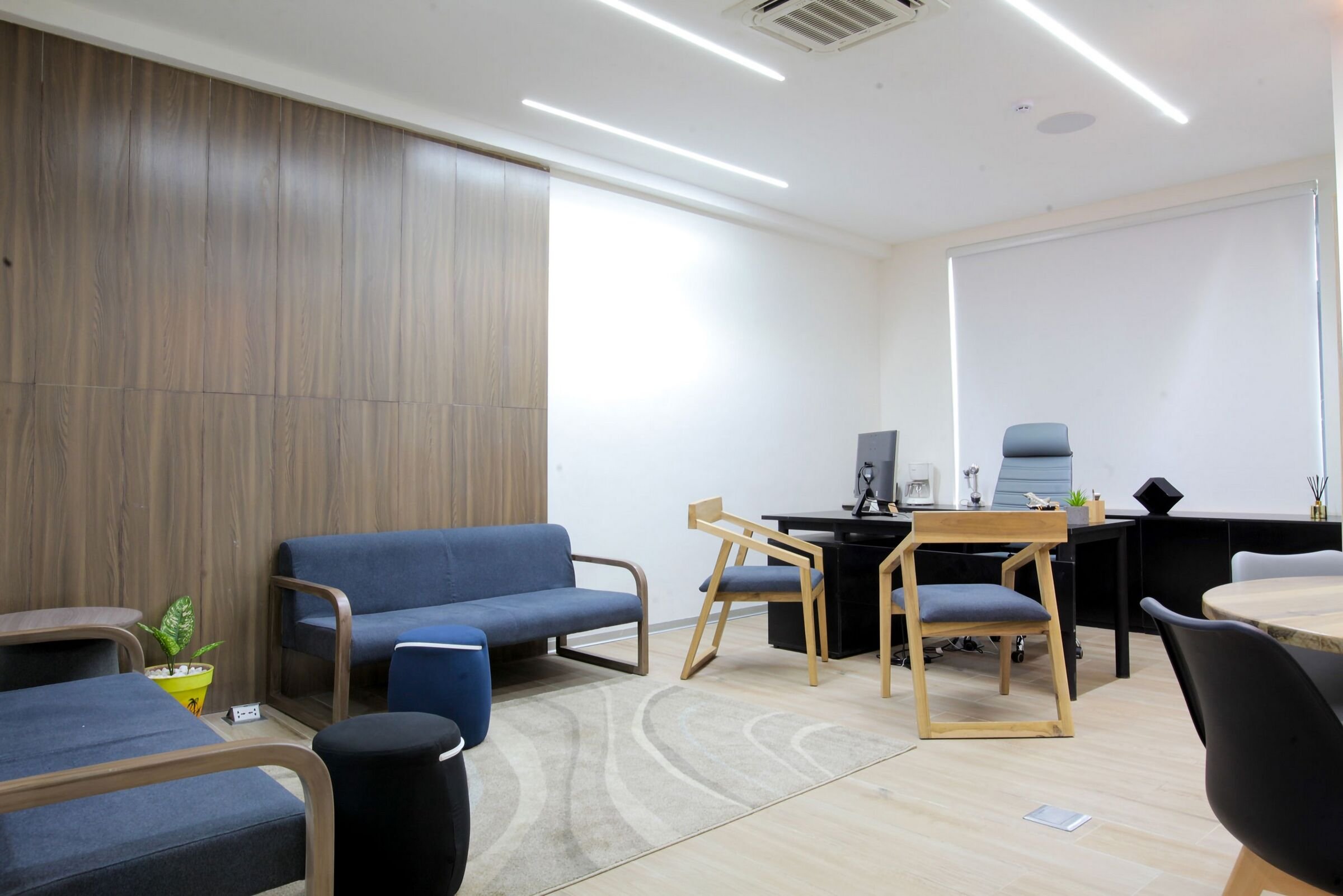
“When I bring a client to the office, the office does half of the work.”
The question that reveals everything
There is one question that we use to measure the true success of a project: when the client comes back, is it to fix something or to grow?
A client who returns because something isn’t working is a project that underdelivered. A client who returns because their business has grown and they need more space; that is the real measure of success. The office served the business so well that the business outgrew it.
That is the ROI conversation worth having. Not how much did we save, but how much did this investment contribute to the growth of the business?
What this means in practice
None of this means cost is irrelevant. It means cost is a constraint to design within, not the primary measure of success. A good design and build firm will design to your budget. But they will push back, gently and honestly, when cost-cutting decisions are about to undermine the very outcomes the investment is supposed to deliver.
The ₦100 million that felt enormous when you were deciding whether to spend it will feel very small if you look back and realise it increased your team’s productivity by 20%, reduced your attrition by 30%, and became the reason three of your biggest clients decided to trust you with more of their business.
If you are preparing a business case for a workspace investment and want to think through the ROI conversation properly, we would be glad to help.